
CONSUMER REPORTS
American Patterns of Consumption as Illustrated by the Robinson Family of Atlanta, Georgia

By Conrad Phillip Kottak
A Note on How This Came to Be
I am a regular bar trivia player. One feature of our weekly game is a final bonus question, usually involving a list of ten items. Name the ten most populous American states. Name the ten largest cities in the world not located in Asia. That kind of thing.
With such lists in mind, I asked an AI to compile the top branded products in the United States, based on the most recently available information. The list was interesting, but it made me wonder about what had endured and what had changed. Not only the brands that survived, but the products themselves. Cigarettes, for instance, remained on the list through 2024. I did not expect that.
I decided to look at selected years: 1926, 1956, 1990, 2024, and to venture a prediction for 2056. Some products proved enduring. Some were transitory. And some were new or newish in their year but eventually became ubiquitous.
Simply presenting lists or tables would have been boring. What could I do to make it more anthropological, more like the case studies I have spent a career writing? I decided to invent a family. I called them the Robinsons, partly in tribute to a classic literary work I had read as a kid, the Swiss Family Robinson. I also thought about Lost in Space. The Robinsons would live on the street in Atlanta where I grew up. That street is called The Prado, like the museum in Madrid, and it runs uphill through the winding residential neighborhood of Ansley Park to Piedmont Avenue, where it ends. Across the avenue is Piedmont Park, widely celebrated as Atlanta’s version of Central Park. The house would be modeled on the one I knew, inhabited by successive generations of the Robinson family. I would drop in on them on an autumn morning in each of the five years and see what they were consuming and how they were living.
I’ve tried to use names appropriate to each generation. As a footnote to that effort: at trivia recently we learned that the most popular names for babies in the United States today are Liam and Olivia. For boys, Noah runs a close second. Hence the Robinson who wakes up in 2056.
• • •
ONE: HOWARD AND DOROTHY
Atlanta, Georgia. A Tuesday in October, 1926.
The first sound was the milkman.
Howard Robinson heard the bottles before he was fully awake, the glass-on-glass knock of the wire carrier on the front steps. He lay still in the October dark while the neighborhood woke up around him. A Ford rattled past on Piedmont Avenue. Up the street a dog decided something was wrong and then decided it wasn’t. The milkman’s horse shifted its weight on the brick, and the wagon creaked once and went quiet.
He was thirty-one years old. His parents had come to Ansley Park in 1919 when the neighborhood was new, and Howard had lived in the house since then, coming back to it with Dorothy three years ago when they married.
He dressed in the dark and went downstairs and filled the percolator and set it on the gas stove. The backyard was gray in the early light. Dorothy’s kitchen garden, finished for the season, the tomato stakes pulled and stacked against the fence. The pecan tree. Beyond the fence the Hendersons’ house, dark, the Victrola silent until the weekends.
Howard shook a Camel from the pack on the windowsill and lit it with a kitchen match. His father had smoked a pipe and considered cigarettes a young man’s affectation.
The coffee came up. He took it to the small table where the Atlanta Constitution waited, brought in from the front steps without his registering the trip. Front page, business section, sports. A photograph of a man he didn’t recognize in front of a building he didn’t recognize in a city that wasn’t Atlanta. He read it anyway. It was what you did with the morning paper.
Dorothy came down at half past seven in her housecoat, her dark hair not yet pinned. She poured coffee and stood at the stove the way she always did, confirming the kitchen was where she had left it. She was twenty-four.
“Cold this morning,” she said.
“Getting there.”
She took the milk from the icebox, poured some into her coffee, and looked out at the yard.
“Mrs. Patterson was asking about the radio again.” Mrs. Patterson lived two doors up, closer to the park. Her husband had bought a cathedral radio in August, and she had mentioned it to Dorothy three times that Howard knew of.
He turned a page of the paper.
“The Atwater Kent is two hundred dollars at Davidson’s,” Dorothy said. “But there’s a smaller one. Sears has the Silvertone for forty-nine dollars. Nine dollars down.”
Howard looked up. Dorothy was still looking out the window, her coffee cup in both hands.
The Silvertone was not a cathedral radio. It was a small box with a single dial and a horn speaker. But it would bring WSB and WGST into the front parlor in the evenings, the music and the comedy programs, voices from somewhere else coming into your own house without your having gone anywhere. That was new in the world.
“I’ll stop at Sears on the way home,” Howard said.
Dorothy turned from the window. She didn’t smile exactly, but something in her face rearranged itself.
“I’ll make pot roast,” she said.
Howard finished his coffee and his cigarette, put on his jacket and hat, took his lunchpail from the counter, and went out into the October morning. He walked up the Prado toward Piedmont Avenue, past the houses sitting back on their lots, the street rising gently until it opened out at the avenue. The park was straight across, the October maples just beginning to turn. He turned and waited for the streetcar.
Nine dollars down. The radio would sit in the front parlor and in the evenings he and Dorothy would listen, and he didn’t know what to make of it but knew it was coming whether he made anything of it or not. The streetcar came. He got on.
Back at home, Dorothy was already thinking about the pot roast, the curtains in the second bedroom, whether the Silvertone would need its own stand, and whether Mrs. Patterson would notice it the next time she came by. Dorothy expected she would. Mrs. Patterson noticed everything.
• • •
TWO: BOB AND BARBARA
Atlanta, Georgia. A Thursday in September, 1956.
The first sound was the television.
Robert Robinson heard it before he was awake, the tinny sound of the set in the living room. His son Gary, seven years old, had gone downstairs and turned it on.
Bob was thirty-one. He had grown up in this house. His father Howard had died four years ago and left it to him.
He lay still and listened to the television and to Barbara’s breathing and to the neighborhood outside, quieter than when he was Gary’s age. Cars instead of horses. Nobody out before seven. The milkman still came but in a truck now, barely audible.
He got up and shaved. The face in the mirror was becoming his father’s, same jaw, same recession at the temples. A man down the street had sold in the spring for thirty thousand dollars. The house Howard had built for what, six or seven thousand, was worth thirty thousand now. Bob thought about that and went downstairs.
Gary sat on the floor fourteen inches from the screen, watching a man in a cowboy hat do something with a rope.
“What did your mother say about that.”
“She’s asleep.”
Bob put the percolator on and lit a Lucky Strike and leaned against the sink. Dorothy’s kitchen garden was now grass. Barbara grew roses along the back fence. The television was audible from the kitchen, an announcer’s voice, whiter than white. Barbara used Tide. Had used it since they married. Simply what you used, like Crest, which the dentist had started recommending last year.
Barbara came down at seven in her robe, hair in pin curls under a scarf. She poured coffee and sorted the mail.
“Gary’s watching television,” Bob said.
“I know it.”
“You said he couldn’t before breakfast.”
“I know what I said.” She poured cream from the bottle in the new Westinghouse. Bob still felt a small satisfaction when he opened it. Ridiculous after two years, but there it was.
From the living room the television moved from Tide to something else and back to the cowboy.
“Patty Simmons called,” Barbara said. Ed Simmons worked at the same insurance company as Bob, made roughly what Bob made, and had bought a 1956 Chevrolet Bel Air in turquoise and white that sat in their driveway three houses down.
“What did she want.”
“She wanted to know if we were getting a color set.”
Bob looked at his coffee cup.
“Ed got a quote from Davison’s. Twenty-five percent down.”
Five hundred and eighty dollars for the RCA at Davison’s on Peachtree. A hundred and forty-five down. Then payments. The Bel Air was already costing Ed payments, which Ed had mentioned more than once.
“The Zenith is fine,” Bob said.
Barbara said nothing.
Bob finished his coffee and his cigarette and went upstairs and dressed and came back down. Gary had moved from the floor to the sofa. On the screen a news program had replaced the cowboy, a man at a desk talking about Montgomery, Alabama, where something had been going on with the buses for most of the year. Bob had opinions about it he didn’t examine too closely.
He kissed Barbara and took his briefcase and went out.
The Prado in September was quiet and bright. Bob walked uphill the way his father had walked it. Past the Hendersons, whose son had gone to Korea and come back changed in ways nobody discussed. Past the Pattersons, old Mrs. Patterson still in the house, her husband dead, the paint going. Past the Simmons driveway where the Bel Air sat, looking exactly like what it was, a monthly payment in the shape of a car.
At Piedmont Avenue he turned left and walked to the bus stop. The streetcar was gone, had been gone since 1949. The Piedmont-Morningside bus was what you took now.
He lit another Lucky Strike and looked across Piedmont at the park entrance, the road that ran through it, the September light in the trees the same as it always was.
The bus came heading south. He got on.
Back home, Barbara measured Ovaltine into a glass of milk and thought about the color television and whether five hundred and eighty dollars was as impossible as Bob’s silence implied. The Bel Air she didn’t want. Turquoise was vulgar. But it had made her think about their own car, the 1953 Ford that was fine, perfectly fine, but maybe ….
• • •
THREE: GARY AND LINDA
Atlanta, Georgia. A Friday in October, 1990.
The clock radio came on mid-song, then the DJ’s voice, then a car dealership in Marietta. Gary Robinson lay in the half-dark and listened. He was forty-one. He had grown up in this house. Both his parents died in 1986 and left it to him. He had been living in an apartment in Buckhead and came back the following year with Linda.
He hit the snooze. Linda was already gone, her side of the bed cool. She hadn’t slept well since the Randolph account fell apart in August. Linda sold commercial real estate.
Gary showered and shaved with the Sensor Linda had put in his stocking at Christmas, the new Gillette with the twin floating blades. Better than what he’d been using, though not in the way the advertisements wanted him to think. His face was his father Bob’s face now.
Downstairs, Linda sat at the kitchen table in her robe with the Constitution and her reading glasses. She was thirty-nine.
“There’s coffee,” she said without looking up.
Gary poured a cup. Linda had repainted the kitchen in 1988, a warm yellow he’d thought was too much.
“How’d you sleep.”
“Fine,” she said. It meant not well.
He took his Marlboro Lights from the cabinet above the refrigerator. Linda had asked him not to smoke in the main rooms, so he smoked at the back door with it cracked, the October morning coming in. His father Bob had smoked Lucky Strikes until the day he died.
The pecan tree. Barbara’s roses along the back fence, a few late blooms. Linda had mentioned taking them out. Gary hadn’t said anything. The roses were Barbara’s.
The Today show was on in the den, something about the Middle East, troops in Saudi Arabia. Gary had the feeling men his age had about it, having missed Vietnam by a specific number of years.
Linda turned a page of the Constitution.
“Patrice called yesterday.” Patrice lived two doors up, closer to the park. Her husband had bought a cellular phone for his car, a Motorola in a cradle on the transmission hump of his BMW, demonstrated to Gary in the driveway with the pride of a man who knew he was living in the future. The size of a brick. Close to a thousand dollars, plus the monthly plan.
“What did she want.”
“To ask about Thanksgiving.” A pause. “She mentioned the phone.”
Gary finished his cigarette and closed the door.
He didn’t need a cellular phone. He drove a 1988 Honda Accord to an office on Peachtree. Someone needed him, they called the office, Deborah took a message, he called back. Bob had run a career and a family and a house on The Prado without a phone in his car.
“We should have them for Thanksgiving,” Gary said.
“I thought so too,” Linda said, and went back to the paper.
The house that Howard and Dorothy had come to in 1919. Howard to Bob to Gary. A realtor at a block party in the spring had mentioned two hundred thousand dollars. Gary remembered his father Bob marveling at a sales price of thirty thousand. The numbers seemed impossible until they weren’t.
Gary dressed, came back down, and kissed Linda on top of her head.
“I’ll be late. Henderson wants to go over the quarterly numbers.”
“I’ll be here,” Linda said.
Out on The Prado a sprinkler was running despite the season, and a leaf blower droned somewhere down the street. Gary got in the Accord and pulled up to Piedmont Avenue and turned right, heading south toward the city. The park was on his left, the October maples turning, and then it was behind him.
At home, Linda put down the Constitution and opened her legal pad. She went over the Whitfield numbers for the fourth time that week. The kitchen was yellow around her. The pecan tree was in the backyard. The roses were on the fence. The Today show talked about the Middle East in the next room. Linda Robinson sat in the house and did the work in front of her.
• • •
FOUR: MICHAEL AND JENNIFER
Atlanta, Georgia. A Wednesday in October, 2024.
The first sound was the phone. Not a ring. A soft ascending tone Michael Robinson had chosen from a menu of tones eight months ago. He reached for it without opening his eyes, the same reach he had made every morning for eleven years with different phones.
He was fifty-eight. Gary and Linda’s son, grown up in this house, gone in his twenties, back since 2018 when Gary died and left it to him.
He lay in the gray light and scrolled. A fire in California. Something about the election, three weeks away. An advertisement for shoes he had seen four days ago and not bought.
He put the phone face down and listened. The Prado in 2024 was not the Prado Gary had described from his childhood, sealed and quiet. Runners were out by six, earbuds in, phones on their arms. The park was already occupied.
He got up and went to the bathroom. He washed and took his Lipitor from the weekly organizer Jennifer had bought him after the third time he forgot.
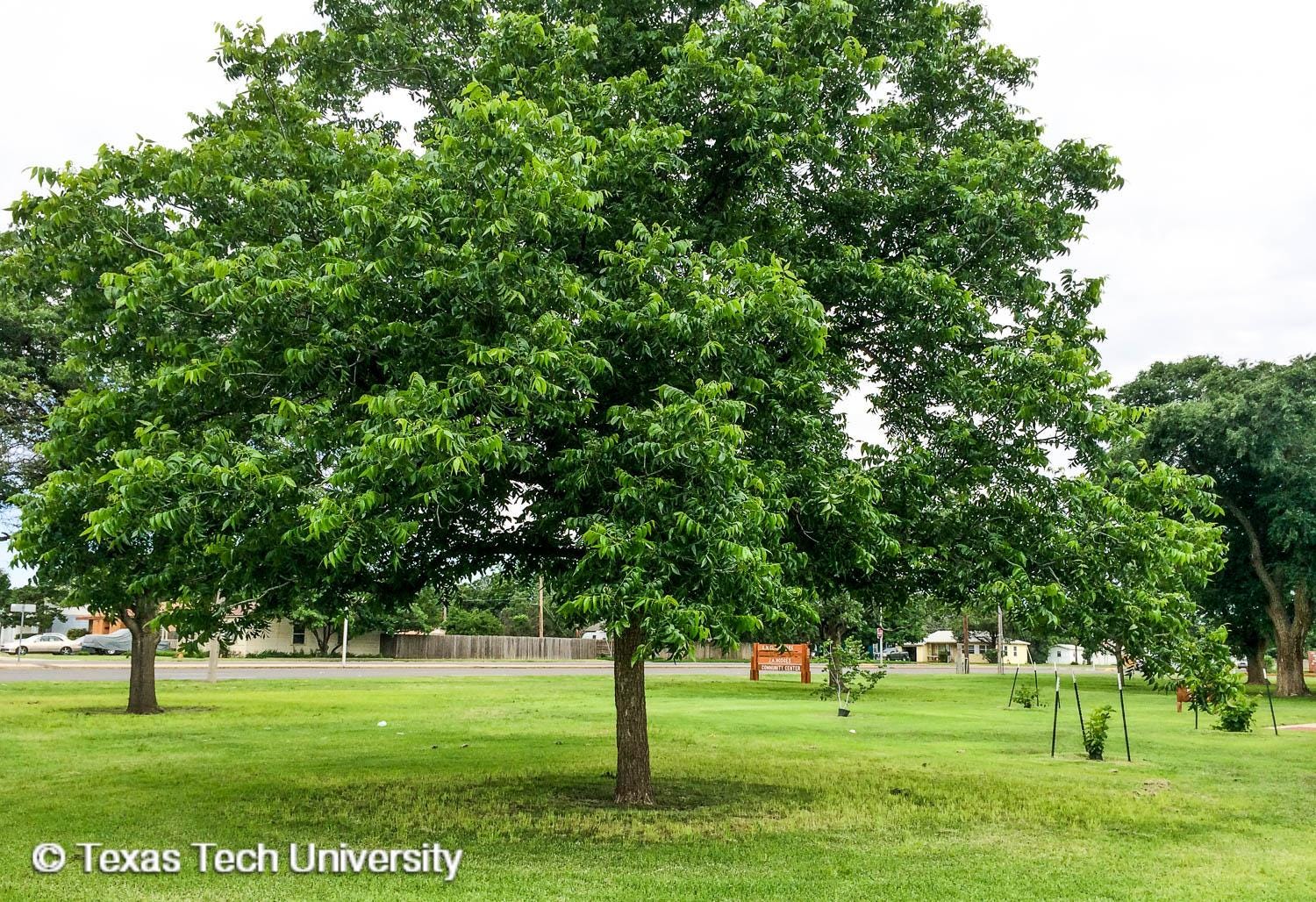
Downstairs the kitchen had been renovated in 2019 for an amount that would have made Bob Robinson sit down and put his head in his hands. The pecan tree was in the backyard. Dorothy’s kitchen garden, Barbara’s roses, Jennifer’s raised beds, tomatoes and herbs. The same patch of Atlanta dirt across a hundred years.
He made coffee in the Nespresso Jennifer had bought. He had resisted it and now couldn’t imagine doing without it. He opened his laptop and read the Times. Then his email. Then the Times again to check something he hadn’t remembered correctly.
Jennifer came down at seven in her running clothes, hair pulled back. Fifty-six, four mornings a week. She drank water and took three pills from her organizer.
“Daniel called last night,” she said. Daniel was their son, twenty-nine, living in Denver.
“I saw it. I’ll call him back.”
She took an apple and her earbuds from the charger by the door and her phone from the other charger, and went out.
Michael sat with his laptop and his coffee and his phone and read and scrolled and read. A text from his brother in Decatur. An email from his doctor confirming an appointment. A notification from his sleep app: six hours fourteen minutes, resting heart rate fifty-eight, sleep quality fair. Always fair. He received the information.
The real estate app put the house at one point two million. Howard had bought it for six or seven thousand. Bob inherited it at thirty thousand. Gary at two hundred thousand. Michael had inherited it and renovated it immediately.
He ate a protein bar at the counter. Jennifer expressed her opinion of this by keeping eggs visible in the refrigerator. He took his phone, his keys, his laptop bag, and went out.
The Prado was alive. Runners, dog walkers, two women with strollers. His Subaru Outback was at the curb. He had spent two weeks researching safety ratings before buying it. He drove up to Piedmont Avenue and turned right. The park was on his left briefly, the October maples turning, and then it was in the rearview mirror, the same trees Howard had passed on the streetcar. The light changed. He drove on.
Behind him Jennifer came back up the hill, her phone recording her pace, heart rate, route, calories, all of it stored in a server farm in a state she had never visited. She was listening to a podcast she would tell Michael about at dinner. He would find it interesting and mean to follow up and not quite get around to it.
The morning light came through the trees the same as it had when Dorothy stood at the kitchen window in 1926 waiting for the percolator. Some things change and some things don’t.
• • •
FIVE: NOAH
Atlanta, Georgia. A Monday in October, 2056.
The first sound was nothing.
Noah Robinson lay still in the gray light, waiting for the ambient system to read his wakefulness and begin the morning sequence. It didn’t begin. The power was out again.
He was thirty-two. Daniel’s son, Michael’s grandson. He had grown up visiting this house, known the smell of old wood and plaster from childhood, and inherited it two years ago when Michael died.
He listened to the actual neighborhood. Birds first, more of them than before, different species that had moved north over the decades. Then generators, two of them, the Okafor house next door and someone further down. The generators ran on natural gas. Then the heat, already, at six-fifteen in October. His great-great-grandmother Dorothy had come downstairs in a housecoat against the October chill.
He reached for his phone. He had plugged everything in when the grid advisory came through the night before, the way people once filled the bathtub before a hurricane. The ambient system was in reduced mode, which was why the morning sequence hadn’t begun and why the companion mode had closed sometime in the night, after he had finished with it, after it had finished with him. He had been using it for two years. It knew his body the way a good lover does, through attention and repetition. It didn’t need anything from him in return.
Noah felt his way to the bathroom and washed his face with lukewarm water, the backup system keeping pressure but not temperature, and looked at the window instead of the mirror. The mirror was dark. The backyard was pale in the early light. The pecan tree. Jennifer’s raised beds were his now, the tomatoes finished, the beds turned over. He grew things Dorothy would have recognized and things she would not, heat-adapted varieties, okra, crowder peas, and small fierce peppers that could thrive in the Atlanta summers that were getting longer.
Downstairs the kitchen without power was quieter and more demanding. He set the kettle on the gas stove, which still worked. The grinder needed power, so he found the instant coffee in the emergency cabinet, which his friends found amusing.
He drank it at the table and read the news on his phone. The heat corridor in the Southwest, three weeks into something the meteorologists kept calling historic. The election four weeks away. A piece about the Sunbelt migration that had been reversing for a decade now, people moving north as the summers lengthened and deepened, Maine adding coastal resorts as fast as the Canadian Maritimes, the pressure on Atlanta’s grid easing slightly as the population thinned. A message from his mother in Decatur, sent at six, asking if he’d gotten through the outage.
He thought about calling her back and decided to wait until the house was itself again.
The backup battery had enough charge for one query. He asked whether the pecan tree needed water. The system told him, in its reduced voice, that soil moisture was adequate. He thanked it. A habit he couldn’t stop.
By seven-thirty the power was back. The house came alive in sequence, the ambient system cycling through startup, pausing at the companion mode prompt, waiting. He closed it and moved on.
He ate breakfast, real eggs from the Okafors next door in exchange for produce from the raised beds. The arrangement would have been ordinary in 1926, eccentric in 2024, and in 2056 was simply practical. The neighborhood had worked back toward older understandings about proximity and exchange.
He didn’t have to go anywhere. Howard had walked up The Prado to the streetcar. Bob had walked up to the bus. Gary and Michael had driven up to Piedmont and turned right. Noah worked from the house, from a room upstairs with a window over the backyard and the pecan tree.
He went up and opened his laptop and began.
Outside The Prado had fewer runners than in Michael’s time, the heat advisories coming earlier now. The park was still at the top of the hill, the trees different from Howard’s trees but the same green fact at the end of the street.
At noon Noah went down and made lunch and stood at the kitchen window. The pecan tree. The raised beds. The back fence where Barbara had grown roses, where Jennifer had grown nothing, where Noah grew things that liked heat. He thought about the chain of people who had stood at this window and looked at this yard. He didn’t know what they had thought, but he now had the house and the tree and the dirt.
He washed his dish and went back upstairs. The afternoon light moved across the office floor as it had done here for 130 years.
• • •
A Note on What the Robinsons Used
The five mornings above span 130 years of American life on one street in one city. The domestic rituals are stable. What changes is the technology through which they are conducted. The innovations that appear as aspirational purchases in each scene, the thing the neighbor already has that the Robinson household does not yet, track the arc of American consumer culture as precisely as any sales figures.
1926: The Silvertone radio on installment credit. The Camel cigarette. The percolator. The icebox. The Victrola next door. The Atlanta Constitution on the front steps. The streetcar. The horse-drawn milk wagon.
1956: The Zenith black and white television. The RCA color television, coveted but not purchased. The Lucky Strike. The Gillette razor. Tide. Crest, newly recommended by dentists. The Westinghouse refrigerator. Ovaltine. The 1956 Chevrolet Bel Air next door, turquoise. The Piedmont-Morningside bus that replaced the streetcar in 1949.
1990: The Gillette Sensor, that year’s model. The Marlboro Light, smoked with accommodation. The clock radio. The Today show. The 1988 Honda Accord. The Motorola cellular phone in the neighbor’s BMW, not yet purchased, not yet necessary, not yet inevitable.
2024: The iPhone as alarm, news source, advertising delivery system, and sleep monitor, all before full wakefulness. The Nespresso. The Subaru Outback researched online for two weeks. The Lipitor and three other pills. The laptop open beside the coffee. The podcast on the run and in the car. The protein bar as breakfast. The sleep app and its verdict of fair. The real estate app checked quietly and often. The multiplication of chargers.
2056: The ambient system managing the house, the schedule, the garden’s irrigation, and the intimate life. The grid advisory and the power outage as routine, though less severe as the Sunbelt empties. Backup generators as neighborhood infrastructure. October heat as ordinary. Instant coffee in the emergency cabinet. Raised beds with heat-adapted crops. Eggs from the neighbor’s chickens in exchange for produce, an arrangement older than money.
Each generation inherits the previous generation’s luxury as its baseline and reaches for the next thing, the thing the neighbor already has, which costs more than it should and within a decade will be as ordinary as coffee. The Silvertone radio Dorothy maneuvered Howard into buying on nine dollars down is the ancestor of the ambient system that manages Noah’s house and closes itself gently in the night. The pecan tree predates all of them and has outlasted most of what they used.