
When Innovation Fits: What Driverless Cars Reveal About Culture

By Conrad Phillip Kottak
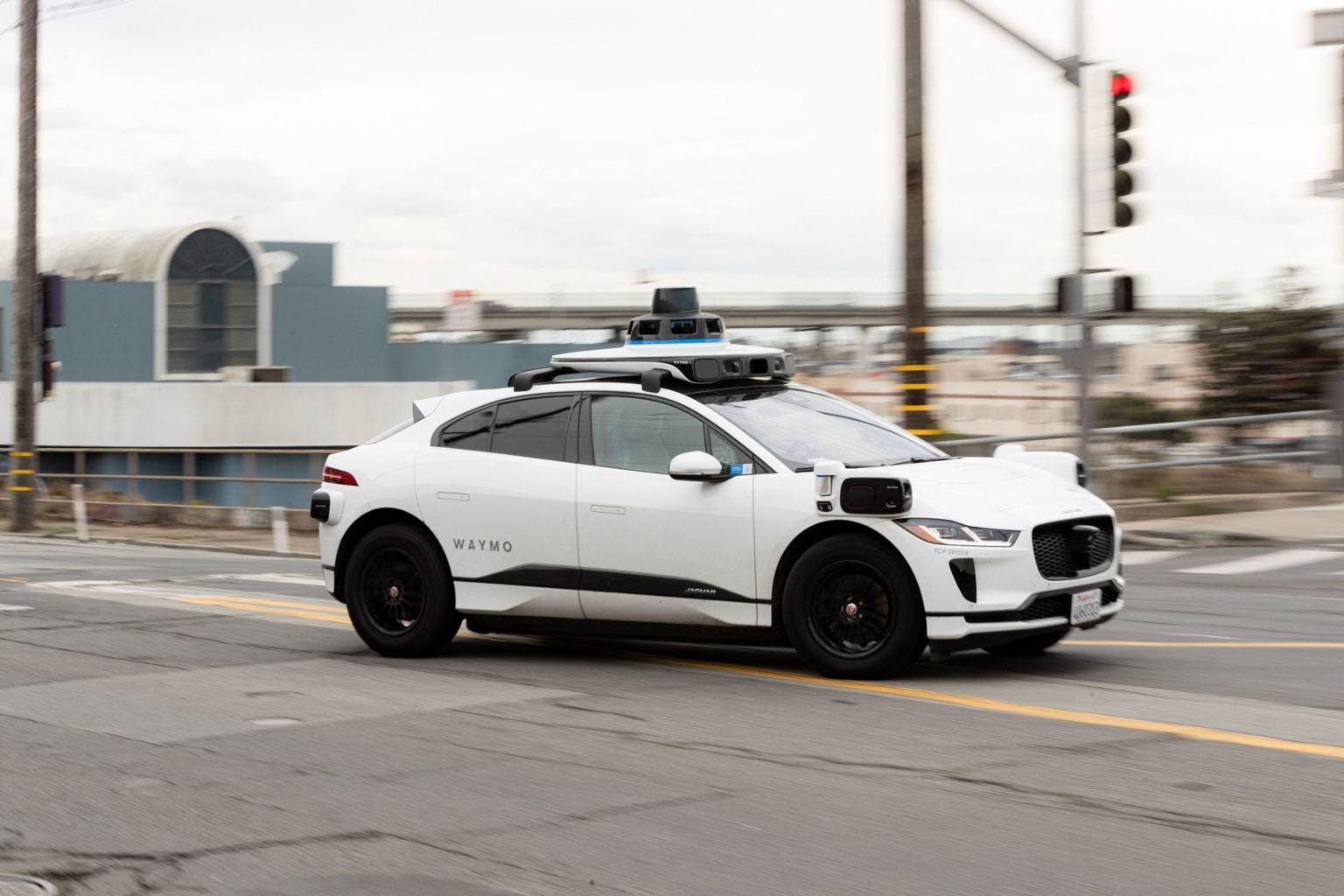
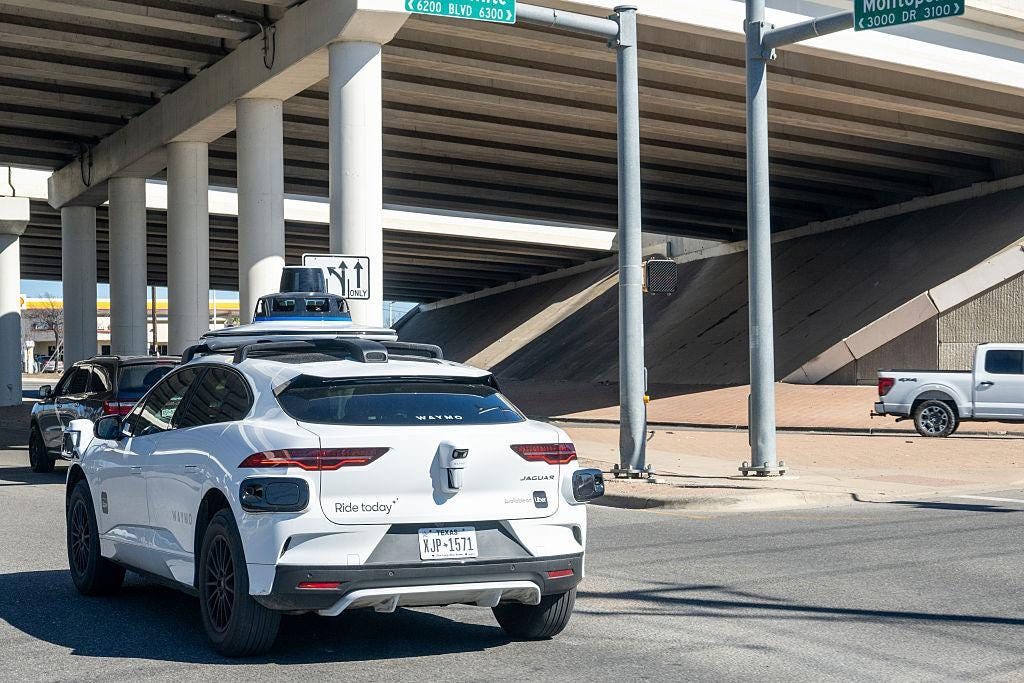
The most striking thing about Atlanta’s driverless cars is how easy they are to miss.
In fact, I almost did.
It was my daughter who first pointed one out to me. Without her intervention, I might never have begun noticing them. That in itself is revealing. These vehicles are not attention-grabbing. They are rather unremarkable.
Hidden in Plain Sight
The cars I’ve been seeing are operated by Waymo, now offering rides in Atlanta through a partnership with Uber. Most are white Jaguar I-PACE vehicles. White is probably the most common car color on American roads. Apart from the sensor array mounted on the roof, which a cursory glance might perceive simply as a roof rack, they look like ordinary cars.
Once you know what to look for though, you can spot them easily. Before that, for me at least, they remained hidden in plain sight.
That invisibility is not a flaw. It’s an achievement.
This observation illustrates a principle I have argued for many years: innovation succeeds best when it is culturally appropriate. It works not by calling attention to itself, but by fitting into existing patterns.
Indeed, I have gone further. In my contribution to Michael Cernea’s edited volume Putting People First, I introduced the idea of overinnovation: the tendency for development efforts to fail when they attempt to change too much, when they prioritize novelty over local fit (Kottak 1985). Innovations that demand too much change from their intended users often falter, not necessarily because they lack technical merit, but because they ignore cultural context.
I have returned to this theme in recent Substack essays, including one on McDonald’s adaptation to Brazilian culture (When McDonald’s Came to Brazil) and another on the limits of innovation (One Size Rarely Fits All). The lesson is consistent: systems that fit endure; those that disrupt without regard for context often do not.
Driverless cars provide a contemporary example.
Roads are not merely physical infrastructures; they are cultural systems governed by shared expectations. Drivers communicate through subtle cues: speed, spacing, hesitation, assertiveness. Much of this communication is unwritten but widely understood.
For an autonomous vehicle to succeed, it must learn these norms and reproduce them effectively. In effect, it must be enculturated.
That is what Waymo appears to be doing. Its vehicles operate within carefully mapped zones and tend to follow a limited set of optimized routes. I’ve seen multiple Waymo vehicles traversing the same streets, from smaller side roads to major arteries like Piedmont Avenue. Their trips pursue reliability and predictability over improvisation.
When Normality Becomes the Innovation
A widely viewed segment from Jimmy Kimmel Live! captures this difference in a particularly revealing way. Jimmy Kimmel’s Aunt Chippy is picked up by what appears to be an ordinary car with a driver. Shortly after she enters, the driver exits on the pretense of needing a bathroom break, but he does not return. The car then drives off autonomously.
Aunt Chippy’s reaction is immediate and hilarious. But what matters analytically is what happens before she freaks out: when she gets into the vehicle, nothing about it signals its self-driving capability. It looks normal. The technology is invisible until attention is drawn to it Aunt Chippy Goes for a Ride.
That invisibility is precisely what makes it work.
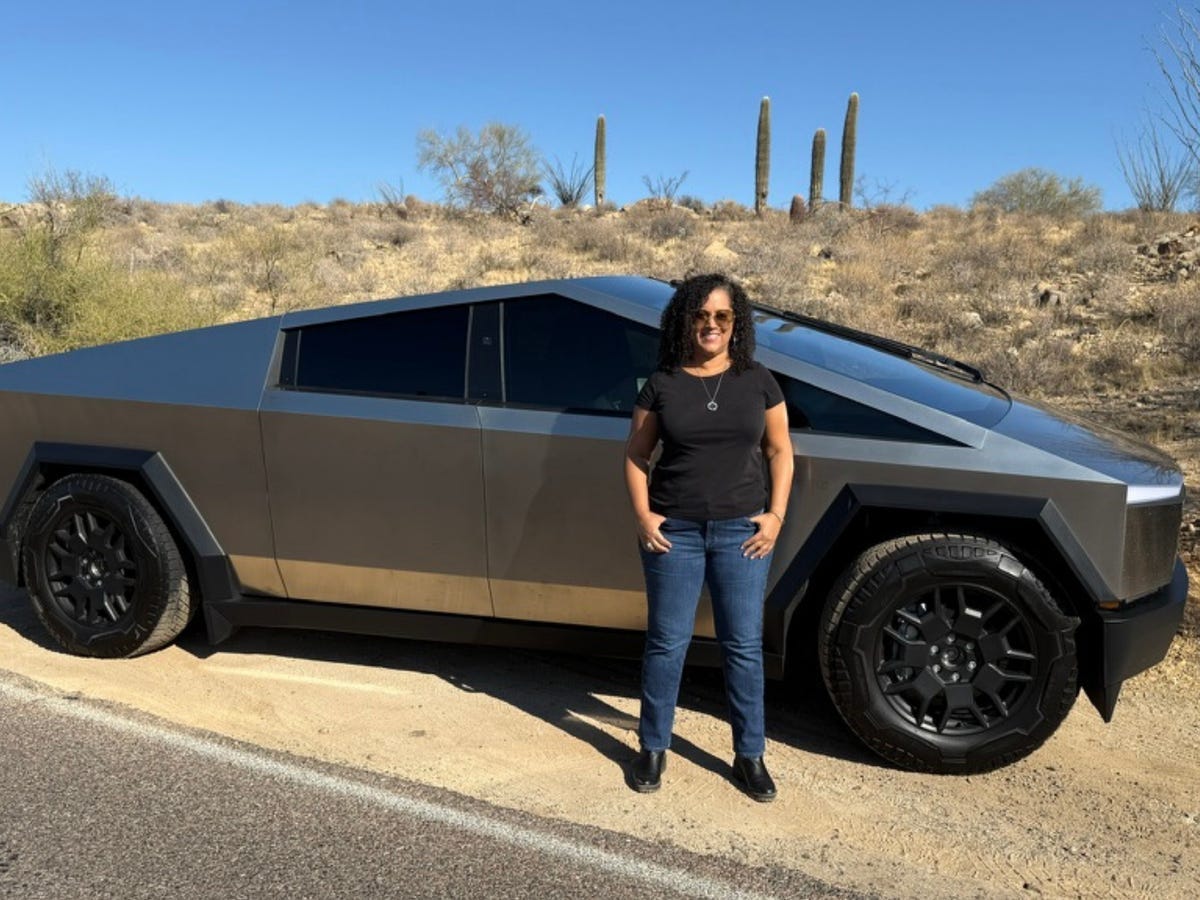
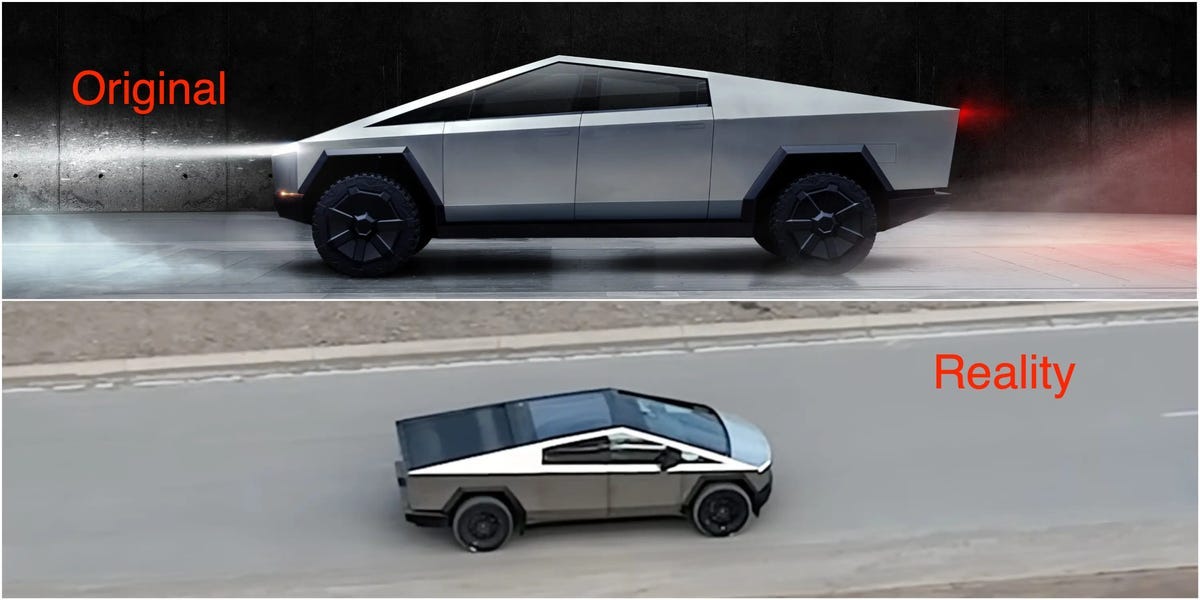
By contrast, Tesla, under Elon Musk’s leadership, has taken a different approach. Its driver-assistance systems can operate in a wide range of environments, but they require constant human supervision. The human driver remains responsible.
Musk’s overall style, whether in business or public life, leans toward disruption rather than adaptation. He favors shaking up existing systems rather than adapting to them. The design of the Tesla Cybertruck reflects this philosophy. Its angular, metallic form departs sharply from conventional automotive design. Reactions are polarized. Some admire its boldness, but many find it unattractive. My own judgment that it’s ugly is widely shared.
While Waymo’s vehicles can disappear into traffic, the Tesla Cybertruck demands attention.
But change, after all, is change, and even the most careful changes can generate opposition. A recent report in The New York Times (March 18, 2026) described incidents in San Francisco in which autonomous vehicles have been surrounded, obstructed, and otherwise targeted by groups expressing resentment (of human jobs lost to automation) or opportunism (thievery). In these cases, passengers have reported feeling trapped and endangered inside vehicles unable to respond to unpredictable human behavior.
Such incidents remind us that technological fit is not purely a matter of design. It also depends on a broader social context. Even well-adapted systems can encounter resistance when they become symbols of economic displacement, surveillance, or inequality.
Still, the broader lesson is clear. Disruption attracts attention, but adaptation secures adoption.
The Waymo vehicles I see in Atlanta don’t announce themselves as the future. They move through quotidiana (daily life) as if they already belong to it. Aunt Chippy vehemently disagrees.
References
Kottak, Conrad Phillip. 1985. “When People Don’t Come First: Some Sociological Lessons from Completed Projects.” In Putting People First, edited by Michael M. Cernea. New York: Oxford University Press.
McDonald’s Corporation. 2024. Corporate Purpose and Impact Report 2024–2025.
Waymo. 2025. “Waymo on Uber: Atlanta Service Information.”
Uber Technologies. 2025. “Autonomous Vehicle Partnership with Waymo in Atlanta.”
The New York Times. March 18, 2026, p. A19. Reporting on public reactions to autonomous vehicles in San Francisco.